How to Build a Simple Workout Space at Home
Creating a dedicated workout nook at home removes barriers and makes consistency realistic. You don’t need a lot of square footage or expensive equipment—just clear goals, smart choices, and a few well-chosen items.
This guide walks through practical steps to design a safe, effective, and comfortable home workout space you’ll actually use, with realistic product and setup ideas you can apply today.
1. Choose the right spot
Start with a realistic location: a corner of the living room, a spare bedroom, or a cleared hallway. Look for a flat surface, enough ceiling height for jumps or stretches, and proximity to ventilation. If you need small furniture or multi-use pieces to make the area work, check options in Home Essentials—a simple bench or slim storage unit can define the space and keep it tidy.
2. Flooring and a reliable mat
Flooring affects comfort and safety. If you have hard floors, use a non-slip exercise mat to protect joints and prevent sliding. For low-impact routines, add a thicker yoga mat or an EVA foam tile. For ideas on recovery-focused gear and soft surfaces that pair well with stretching and yoga sessions, browse Wellness & Self-Care.
3. Essential equipment to start with
Keep equipment minimal and versatile. A few affordable, high-value items:
- Set of adjustable dumbbells or kettlebell (or a couple of fixed weights)
- Resistance bands (multiple tensions)
- Sliders or a small step for cardio and core work
- Jump rope for compact, effective cardio
With these, you can cover strength, cardio, mobility, and core work without cluttering your space.
4. Clothing and footwear that work
Comfortable, breathable clothes and supportive shoes make workouts safer and more enjoyable. If you want to refresh basics—tops, leggings, shorts, or supportive training shoes—see selections in Clothing. Choose fabrics that wick sweat and fit your preferred movement range.
5. Sound and motivation
Music, podcasts, or guided classes improve adherence. Quality headphones or a speaker reduce distractions and boost focus. For reliable, long-battery headphones that work for workouts and cooldowns, consider models like these Bluetooth Headphones—they’re compact, often foldable, and good for home sessions.
6. Screens, mirrors, and tech for training
A small TV or tablet stand helps when you follow online classes. A wall-mounted mirror is useful for form, especially for bodyweight movements. If you want to add a dedicated display or sound system later, explore suitable options under Audio & Television—you can scale up to a modest smart TV when the space and budget allow.
7. Storage and organization
Keep clutter out of the workout area. Use vertical storage: hooks for bands and jump ropes, a small rack for dumbbells, and a bin for sliders and mats. Store cleaning supplies and a towel nearby so you can wipe down equipment after use.
8. Hygiene and quick clean-up
Post-workout hygiene is simple but important: have wipes, a spare towel, hand-cleaning supplies, and quick-access toiletries near the space. For compact personal care and essentials that fit a minimalist gym corner, see options in Personal Care.
9. Recovery, comfort, and ambiance
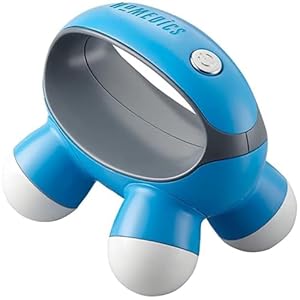
Recovery tools and an inviting atmosphere encourage regular use. A small foam roller, massage tool, or handheld massager helps with tight muscles after intense sessions. A practical option for targeted relief is the Homedics Massager, useful for calves, shoulders, and neck tension.
Scents and ambient elements can improve focus—diffusers or essential oils for calming or energizing aromas are subtle additions that make the space feel intentional. Look into Essential Oils & Diffusers to find simple, compact options suited to small spaces.
Design tips for safety and longevity
– Keep a clear walking path: nothing should be a trip hazard.
– Anchor heavy items and check that shelving can hold equipment weight.
– Airflow matters: if windows are limited, use a fan or plan shorter, higher-intensity sets to manage heat safely.
Quick checklist
- Designated spot with flat floor and enough ceiling height
- Non-slip mat or foam tiles for cushioning
- One set of weights and resistance bands
- Storage solutions to keep gear organized
- Music/speaker or headphones for motivation
- Basic recovery tool (foam roller or handheld massager)
- Personal care items for post-workout clean-up
- Comfort items: lighting and a diffuser or scent
FAQ
How much space do I really need?
You can start in a 6×6 ft area for bodyweight and resistance-band workouts; 8×8 ft is safer for dynamic moves. Focus on ceiling height and a clear floor area for movement.
Do I need expensive equipment to get results?
No. Consistent bodyweight training, resistance bands, and a few dumbbells cover most fitness goals. Progress comes from regular effort and gradually increasing challenge.
How do I keep the area tidy?
Use wall hooks, small shelving, and bins. After each workout, put items back in their place and wipe down surfaces to make the space inviting for the next session.
What if my family needs the space for something else?
Make your setup modular: roll-up mats, stackable weights, and a small storage box allow quick conversion. Multi-use furniture (bench with storage) helps keep the area flexible.
How do I handle ventilation and heat?
Open windows, use a fan, and choose workout times when the room is coolest. Shorter, higher-intensity intervals can reduce total time spent in a warmer zone.
Can I follow online classes in a small space?
Yes—many classes are designed for limited space. Use a tablet or small TV placed at eye level and clear the immediate floor area for safe movement.
Conclusion
Building a simple workout space is about removing friction: pick a safe spot, add a reliable mat, a handful of versatile tools, and small comforts that keep you coming back. Start small, focus on consistency, and refine the setup as your needs evolve.
Products Featured in This Article